
Problem #1 – Mind-Meld Mazes: Words, Colors, Numbers
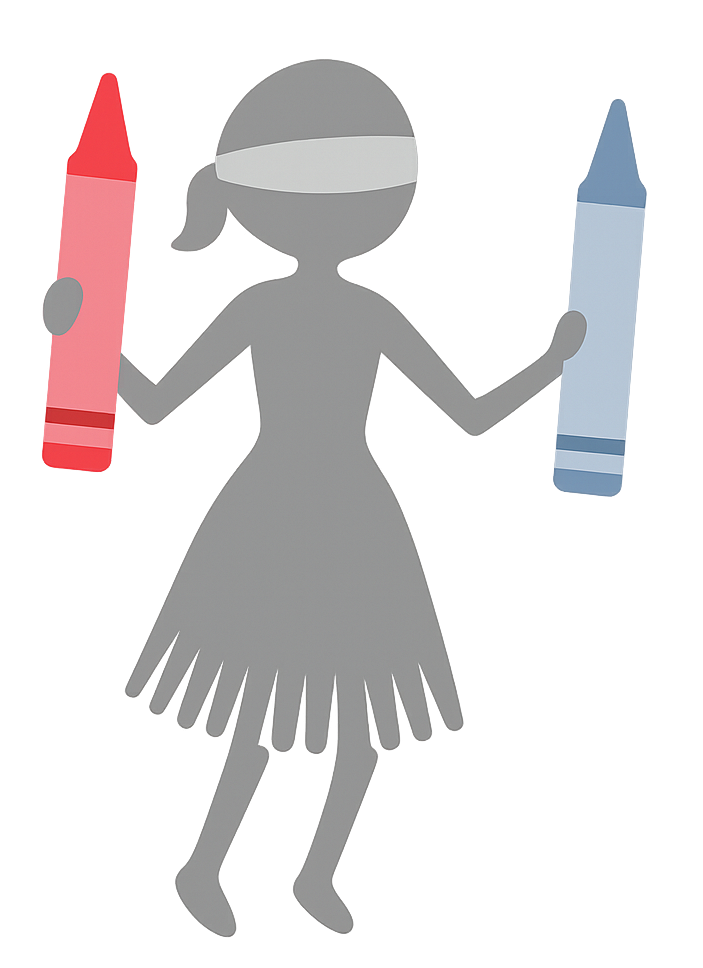
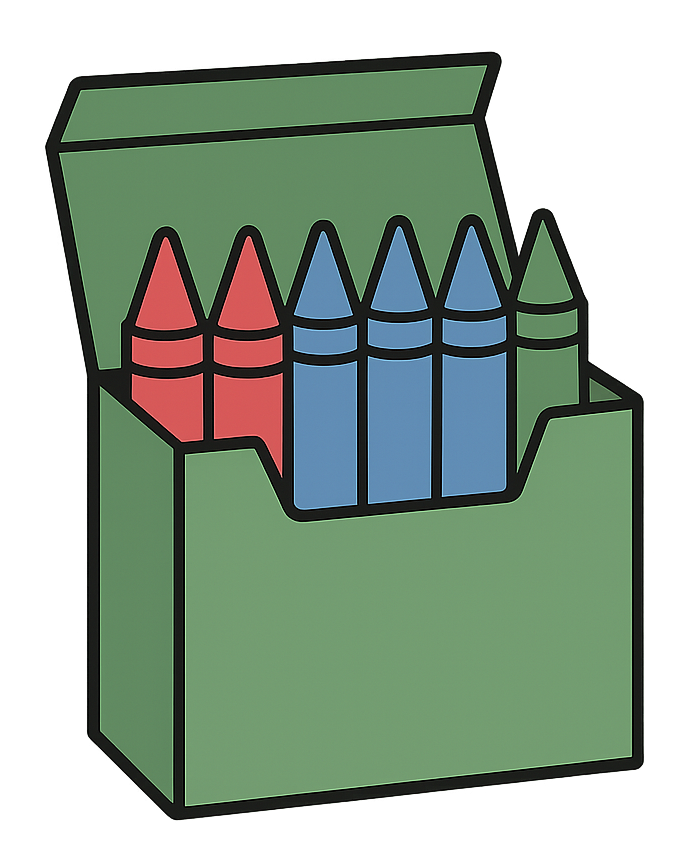
PRACTICE. Emily has 2 red, 3 blue, and 1 green crayon in a box. She closes her eyes and pulls out two crayons at the same time.
List every color pair she might pull.
How many different pairs are possible?
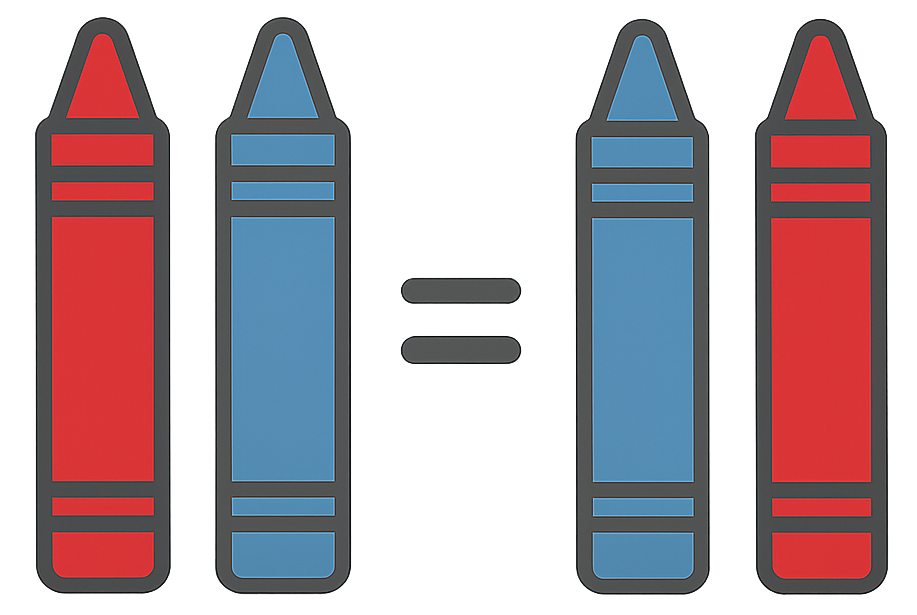
Remember: the order doesn’t matter; “red + blue” is the same pair as “blue + red.”
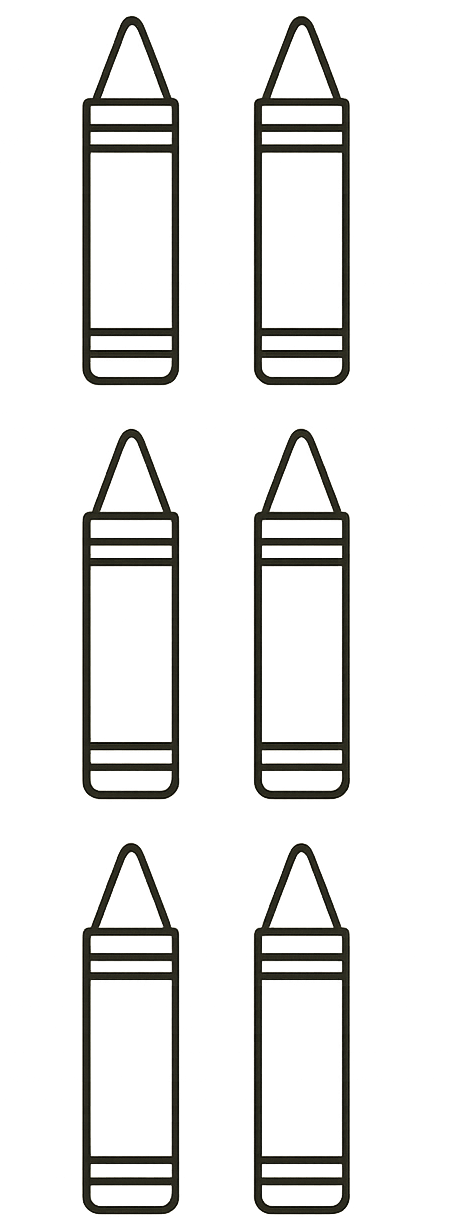
Clue:
We have six small crayons—2 red, 3 blue, and 1 green.
• First, see if Emily can pull two crayons of the same color.
• Then think of every possible mixed-color pair and color those pairs on your drawing.
Solution
Unique color pairs
-
RR (two reds)
-
BB (two blues)
-
RB (red + blue)
-
RG (red + green)
-
BG (blue + green)
Answer: Emily can end up with five different color pairs.
Why Learning to Choose Wisely Matters
This little “crayon-in-a-box” puzzle is a child’s first step into combinatorics—the branch of math that underpins discrete mathematics and probability. By figuring out how many color pairs Emily can pull, kids practice:
- counting possibilities in a structured, efficient way;
- seeing the hidden setup of a problem (2 reds, 3 blues, 1 green);
- using the same skill set in real life—whether picking menu items or judging password strength.
Being able to list and compare all combinations is a powerful habit for logical thinking and everyday decision making.