
Problem # 1 – One-Stroke Trace
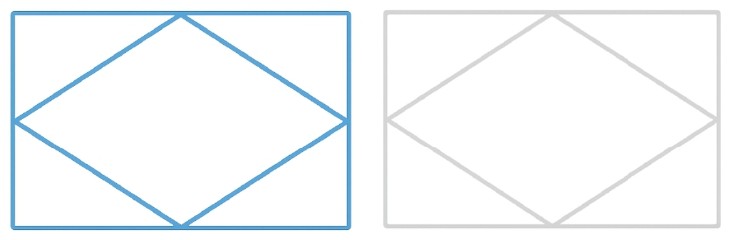
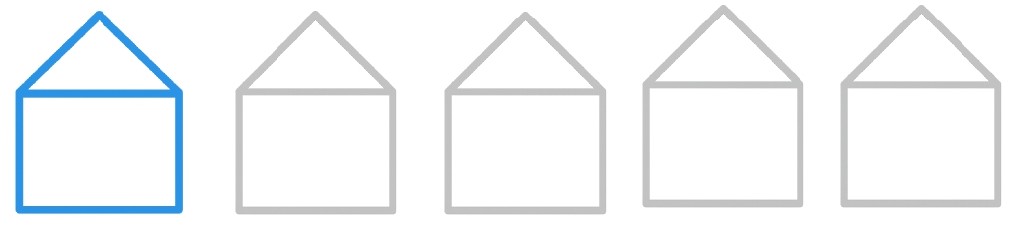
PRACTICE. Trace every shape in one continuous stroke. Don’t lift your pencil from the paper. Don’t retrace any line.

Clue:
One Simple Line, Endless Logic
When children first pick up a crayon, they’re already rehearsing the habits of mathematicians. Our One‑Stroke Trace puzzle turns that instinct into a playful lesson in logic. Before any line is drawn, kids pause, picture the whole path, and discover that planning beats guess‑and‑check—exactly the mindset programmers use every day.
The story behind the exercise is just as captivating: Leonhard Euler’s 18th‑century bridge riddle, the seed of modern graph theory. We share this story because real mysteries captivate children, and watching mathematics intertwine with history is both useful and fascinating. By counting how many lines touch each node, learners meet the idea of “degree,” a concept that will one day power AI networks and navigation apps.
Starting young means tough topics feel natural later, but families can jump in at any point; the route is welcoming from every stop. Join us as we build steady hands, confident minds, and future‑ready problem‑solvers together today.
A 300-Year-Old Origin Story
In 1736 the people of Prussian Königsberg enjoyed Sunday walks over seven wooden bridges on the Pregel River.
They wondered, “Can we walk through the city, cross each bridge exactly once, and end where we began?”
Mathematician Leonhard Euler studied the puzzle and proved the walk is impossible. He did this with a rule:
A connected drawing can be traced in one stroke
• if all vertices have even degree (you start and finish at the same point), or
• if exactly two vertices have odd degree (you start at one odd node and end at the other).
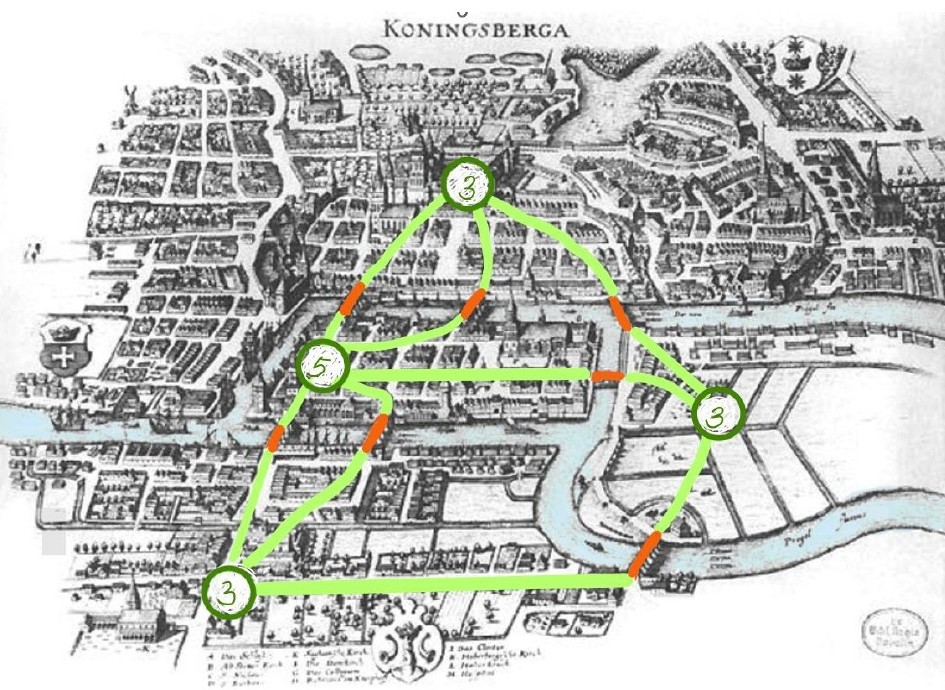
Königsberg’s map had four odd vertices, so the walk was impossible. Euler’s insight launched graph theory—a field that now powers navigation apps, scheduling algorithms, and social-media analytics.
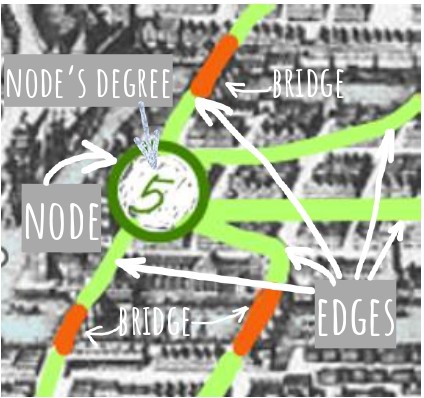
Königsberg Bridges Graph: Degree-5 Node
We begin with a simple puzzle for the youngest kids and grow it into a deeper challenge that gets everyone thinking
Here we can quietly introduce a brand-new term: the degree of a vertex—that’s just the number of lines that meet at one node. If you’d rather keep things informal, skip the word “degree” for now and simply have children count the lines.
Problem # 2— How Many Lines Touch Each Node?
PRACTICE. Count how many lines meet at every node (vertex) of the drawing. Write that number in a little circle right next to the node.
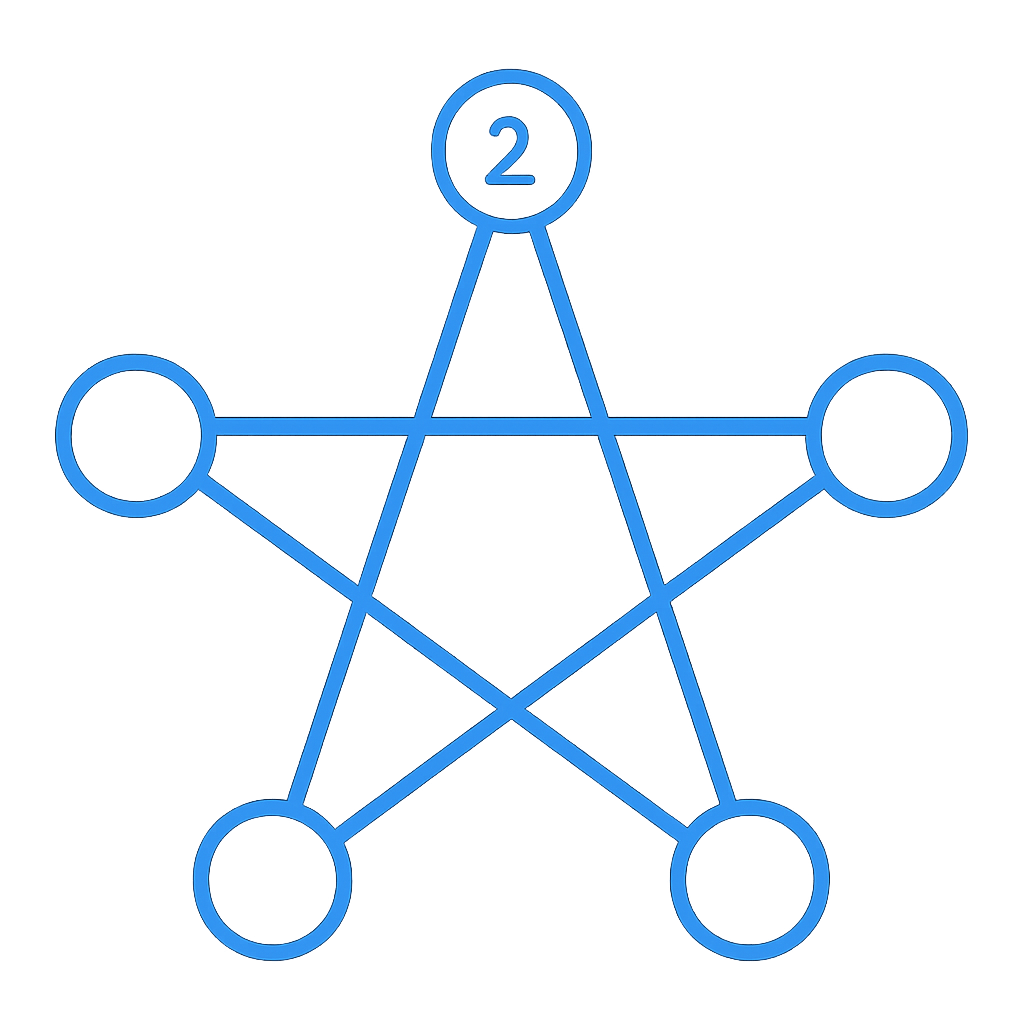
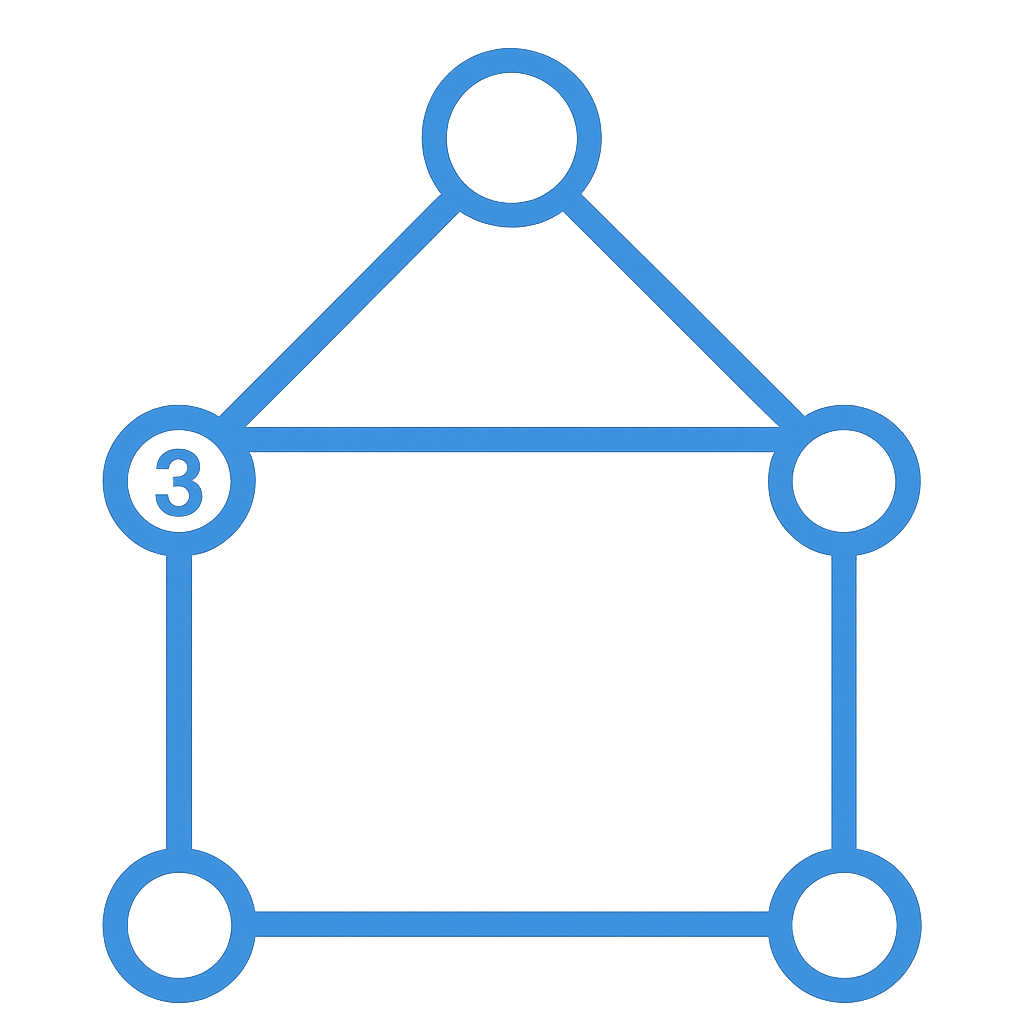
Problem # 3— Which Shapes Are “One-Stroke” Friendly?
New Words
How to Find the Degree
Euler’s One-Stroke Rule
A connected picture can be drawn in one single, unbroken line if either of these is true:
In any other case, a one-stroke drawing is impossible.
Example
Can you draw it without lifting your pencil? — Yes / No
For every vertex—any point where lines meet, whether at a corner or along a side—count the edges that touch it and write that number right beside the vertex.
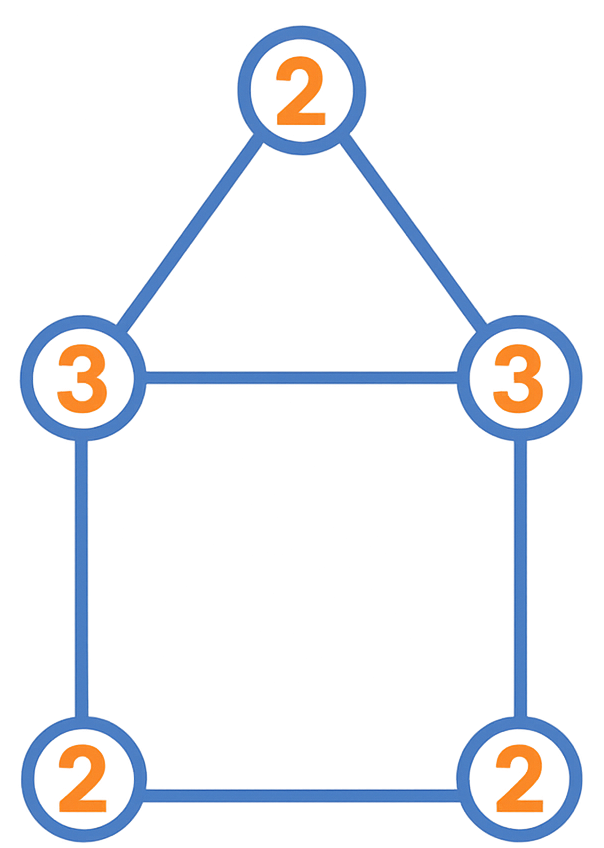
Apply Euler’s rule:
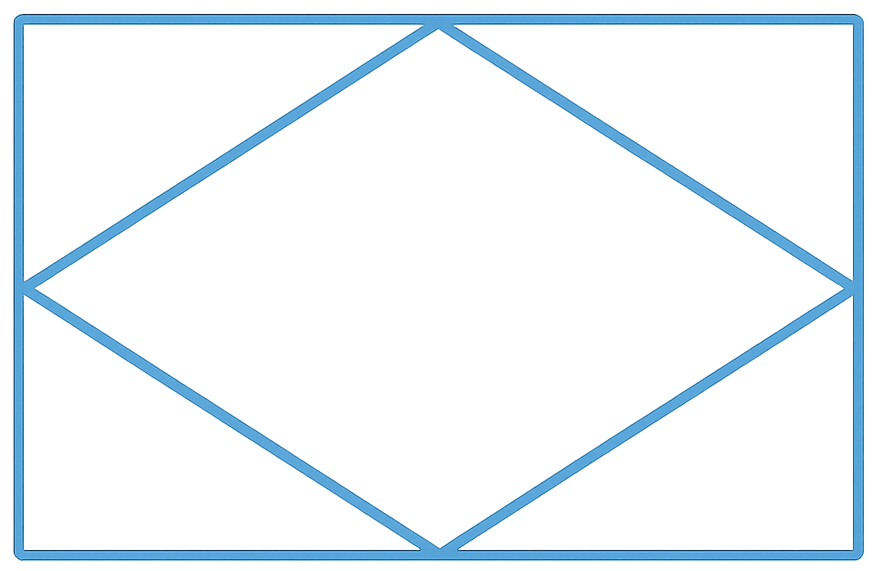
PRACTICE. Can you draw each shape in one continuous line—without lifting your pencil or drawing over a line twice? Yes / No


Hint:
Look at the shape. For each vertex, count the edges that meet there—this number is the vertex’s
Apply Euler’s rule:
What Skills Does This “One-Stroke” Challenge Build?
- Planning and sequential reasoning
Before the pencil touches the page, kids must picture a full route that never backtracks—training the same “look-ahead” skill used in coding and problem-solving. - Graph-thinking foundations
Every drawing can be reduced to vertices (nodes) and edges (lines). Counting how many edges meet at each node silently introduces degree—the first building block of graph theory. - Visual–spatial imagination
Children mentally rotate and flip the shape to test different starting points, strengthening the part of the brain that later tackles geometry, robotics, and 3-D design. - Fine-motor control
A single wobble may force a line to double back, so students develop steady hand–eye coordination—a skill that supports writing, art, and even surgical careers. - Confidence in mathematical proof
When they discover why a path works (or doesn’t), learners taste the power of logic over guesswork—an attitude they’ll reuse in algebra, science labs, and everyday decision-making.